

The Tightrope Walker
Imagine a tightrope walker standing high above the ground, balancing carefully with a pole in hand. Every step forward requires focus, precision, and confidence. The tension in the rope mirrors the stress we experience in life—essential for balance but dangerous if it becomes too much. If the rope tightens too far, it snaps; if it loosens, the walker loses stability.
Like the tightrope walker, we navigate challenges daily, relying on stress to push us forward while striving to maintain equilibrium. But what happens when the stress becomes overwhelming or lasts too long? In this blog, we’ll explore how stress shapes our lives, why it’s not always the enemy, and how to manage it effectively for better balance and resilience.
Conquering the Silent Enemy: Understanding and Managing Stress
Stress is an inevitable part of life. It nudges us during deadlines, lurks in our minds during major life changes, and sometimes sits with us even in moments of rest. While some level of stress can serve as a motivator, chronic or unmanaged stress can take a toll on our mental and physical health. Understanding stress and learning how to manage it can empower us to live more balanced and fulfilling lives.
What Is Stress?
Stress is your body’s way of responding to challenges or demands. When you sense a threat, your brain releases hormones like adrenaline and cortisol, which prepare you to act quickly. This “fight or flight” reaction is controlled by your body’s natural systems. While helpful in short bursts, too much stress over time can take a toll on your mind and body if it’s not managed.
But how stress acts as a proactive force, setting the stage for future readiness and enabling growth when managed effectively.
Stress is a powerful forward-looking mechanism
Stress: A Forward-Looking Mechanism for Future Readiness
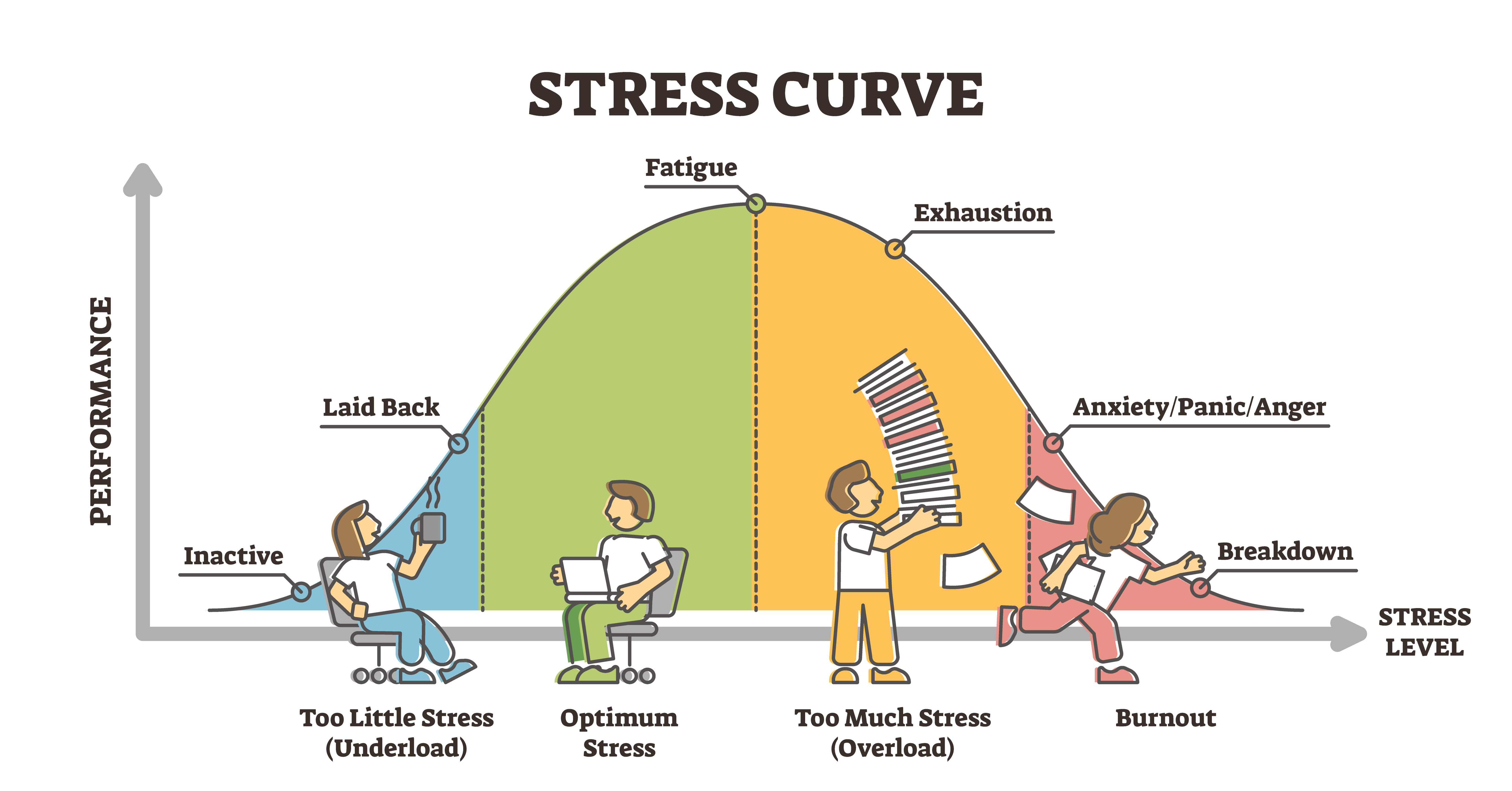
Stress is often painted in a negative light, associated with burnout, anxiety, and health challenges. However, from an evolutionary perspective, stress is a powerful forward-looking mechanism designed to prepare us for future challenges. It acts as the body’s way of signaling that something important demands our attention, fuels determination, mobilizing resources to enhance readiness and survival. Not all stress is harmful. Short bursts of stress, called “eustress,” can drive productivity, creativity, and focus. The challenge lies in managing stress so it doesn’t turn into a chronic problem.
Before we go further it’s better to have understanding of different stresses.
Acute vs. Chronic Stress: How to Identify the Difference
- Acute Stress: A short-term response to immediate threats, such as a tight deadline or public speaking.
- Chronic Stress: Long-term exposure to stressors, like financial difficulties or a toxic work environment, which can harm health.
Stress vs. Anxiety vs. Fear: Clearing the Confusion
- Stress: Reaction to external pressure or demands.
- Anxiety: Persistent worry about potential future threats.
- Fear: Immediate response to a specific danger.
But the real big question is, from where the stress triggers. Stress responses vary significantly from person to person, influenced by a combination of biological, psychological, and environmental factors. Here’s an exploration of the key reasons behind these differences:
Psychological Factors:
Perception of Threat: Stress often arises not from actual threats but from the perception of them.
Uncertainty and Lack of Control: Situations where outcomes are unpredictable or beyond our control tend to induce stress.
Expectations and Pressure: High personal or external expectations can lead to stress, especially when goals feel unattainable
Interpretation of Events: Two people in the same situation may interpret it differently—one sees it as a challenge, the other as a threat—leading to varying stress levels
Biological Factors:
Genetics: Some individuals have a genetic predisposition to higher stress sensitivity. Variants in genes related to cortisol regulation (like the FKBP5 gene) can make the stress response more pronounced.
Brain Chemistry: Differences in neurotransmitter levels, such as serotonin and dopamine, influence how people perceive and respond to stress.
Vagus Nerve Activity: A more active vagus nerve enhances the body’s ability to calm down after stress. Those with less active vagal tone may feel prolonged stress.
Personality Traits:
Neuroticism: People high in neuroticism are more likely to perceive situations as threatening and experience heightened stress. They may focus more on negative outcomes.
Resilience: Some people are naturally more resilient, meaning they recover from stressful events more quickly.
Early Life Experiences
Childhood Environment: Growing up in a supportive and stable environment often leads to better stress management skills. Adverse Childhood Experiences, like neglect or trauma, can make individuals more prone to stress as adults.
Learned Coping Mechanisms: How caregivers handled stress teaches children how to respond to stress later in life.
There are some unexpected triggers we don’t think on. Like Cultural and Social Factors, Lifestyle Choices, Coping Mechanisms, Sensory Sensitivity, etc.
Multitasking beyond capacity, Overuse of technology and social media, Lack of sunlight and vitamin D deficiency, cluttered living or working spaces, minimal social interactions.
Why the Brain Struggles to Stop Being Stressed Once Activated
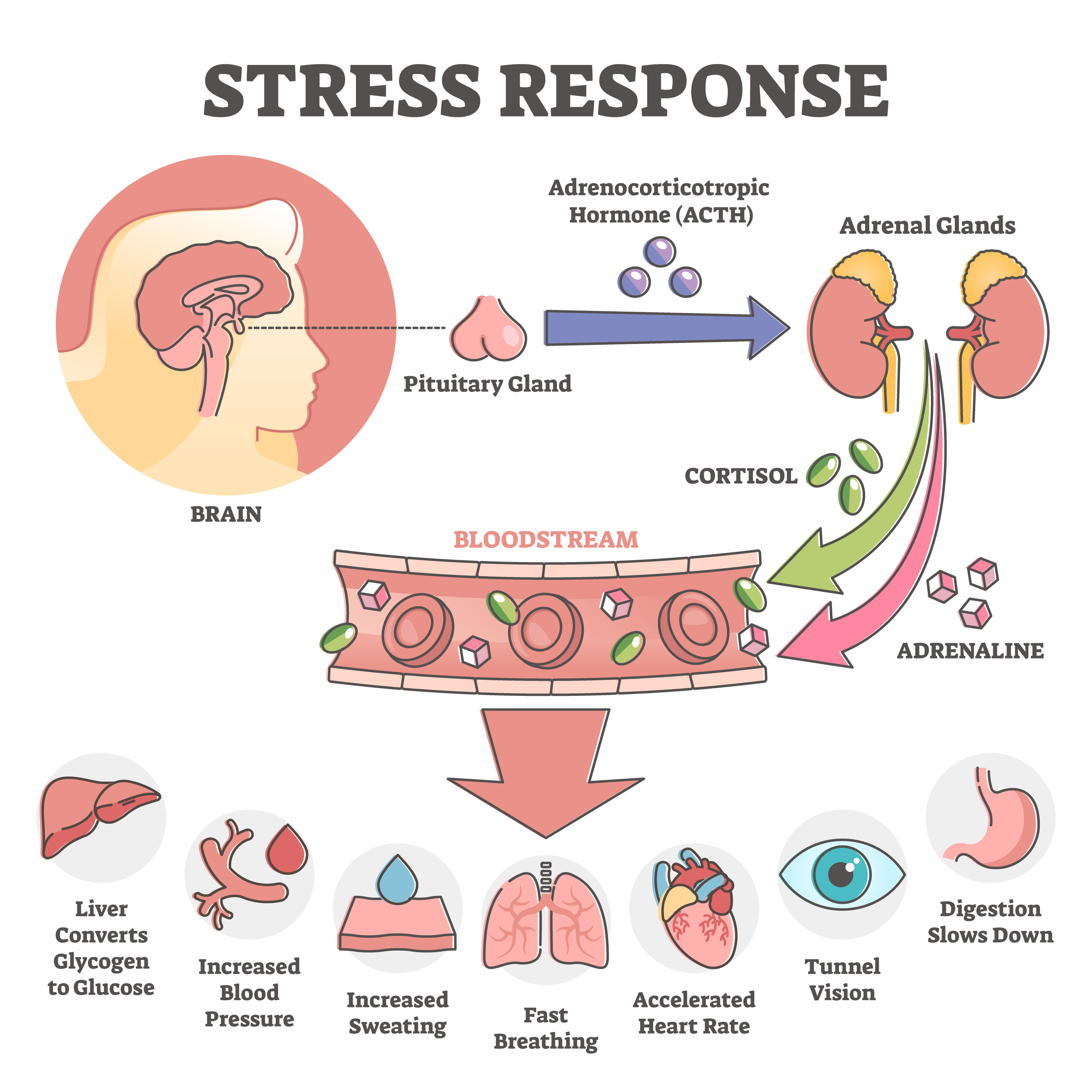
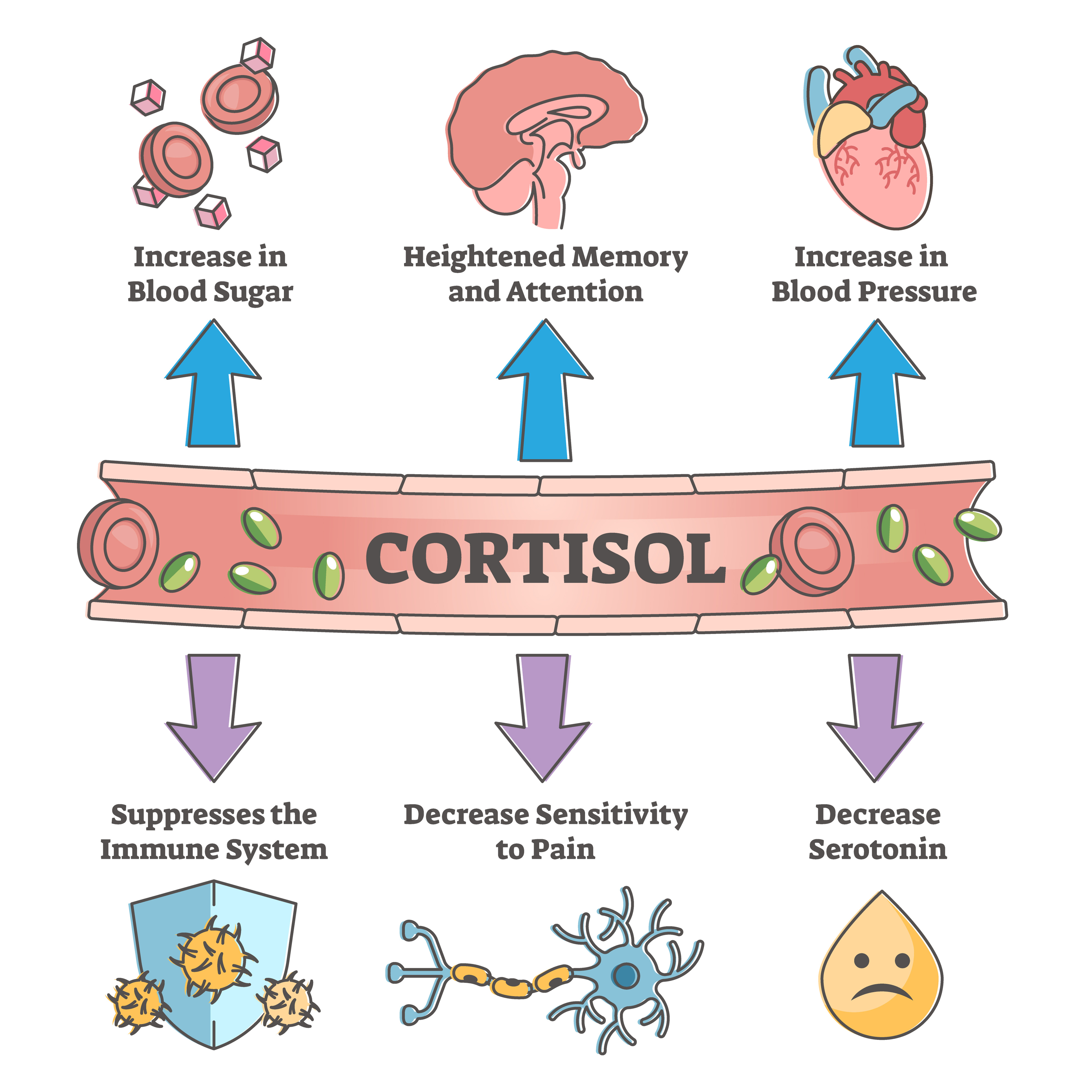
Stress Feedback Loop: When the amygdala senses a threat, it signals the hypothalamus to release cortisol. Cortisol heightens alertness, reinforcing the brain’s focus on stressors.
Negative Thought Amplification: Chronic stress fosters ruminative thinking, which feeds back into the stress response.
Neuroplasticity Under Stress: Prolonged stress rewires the brain, shrinking the hippocampus (memory and learning) and amplifying the amygdala (fear center).
Evolutionary Hardwiring: The brain prioritizes survival, maintaining stress until the perceived threat is resolved.
But then How Stress Affects Your Mind, Body, and Relationships
Mind: Reduced focus, memory issues, anxiety.
Body: Insomnia, digestive problems, heart disease, Weight loss/gain, hair fall, tension in muscles.
Relationships: Increased irritability, withdrawal, and conflicts, feeling overwhelmed.
So far, we’ve established that stress isn’t inherently bad—in fact, it can be beneficial in short bursts. However, prolonged stress can take a serious toll on your well-being. This naturally raises the question: how can we effectively manage or reduce stress when it arises? Let’s dive into practical strategies and techniques to take control of stress before it takes control of you.
Stress Management Strategies
Cold Exposure: Splashing cold water on the face or taking a cold shower can activate the vagus nerve.
Identify Stressors: Understanding what triggers your stress is the first step. Keep a stress journal to track moments when you feel overwhelmed, noting patterns and potential solutions.
Practice Mindfulness: Mindfulness techniques like meditation, yoga, or deep breathing exercises Activates the parasympathetic nervous system also help ground you in the present moment, reducing overthinking and stress levels.
Exercise Regularly: Physical activity releases endorphins, the body’s natural stress relievers, and improves mood and energy levels. Yoga and Pilates enhances relaxation and flexibility.
Embrace resilience through regular self-care and mental conditioning
Forest Bathing: Immersing yourself in nature to reduce cortisol levels.
Laughter Therapy: Watching or engaging in activities that make you laugh, sometimes purposeful laughing also helps. Laughing on your troubles can be one of the best solution also taught by Charlie Chaplin and some stand-up comedians.
Sound Baths: Using sound frequencies to promote relaxation.
Art Journaling: Expressing emotions through creative drawing or writing.
Pet Therapy: Spending time with animals to boost mood.
Spending time outdoors reduces stress hormones, enhances creativity, and promotes physical health. Activities like hiking, gardening, or stargazing connect you with nature, fostering peace and perspective.
Maintain Healthy Boundaries: Learn to say no to unnecessary commitments and set limits on your time and energy.
Digital Detox: How taking a break can reset your mind, periodic breaks from screens help recalibrate your focus and reduce digital fatigue. Try no-screen hours or tech-free zones at home.
Seek Social Support: Share your thoughts with trusted friends, family, or a counselor. Social connections are vital for emotional well-being.
Pursue Hobbies: Engage in activities you enjoy to shift focus away from stressors and bring joy into your routine.
Diet and Stress: Foods That Help and Hurt
Stress-Reducing Foods: Leafy greens, nuts, fatty fish, and dark chocolate.
Stress-Triggering Foods: Excessive caffeine, sugary snacks, and processed foods.
Why Sleep Is Your Secret Weapon Against Stress: Lack of sleep heightens stress responses. A consistent sleep schedule and a calming bedtime routine are critical for managing stress effectively.
Stress varies widely among individuals, and the ways to address it are equally diverse. From my experience working in different organizations, I’ve observed that stress triggers can differ significantly across regions. However, there are common stressors shared by corporates worldwide, along with universal strategies to manage them. Searching for a one-size-fits-all solution is neither practical nor effective; instead, stress management must be tailored to different levels within the organization. To build a better understanding, let’s first explore the various types of stress.
Types of Stress in Corporate or Job Settings
Employee-Level Stress:
- Workload and Deadlines: Unrealistic targets, long hours, or excessive responsibilities.
- Role Ambiguity: Unclear job expectations or overlapping responsibilities.
- Job Insecurity: Fear of layoffs, contract termination, or stagnant career growth.
- Interpersonal Conflicts: Difficult relationships with colleagues or managers.
- Micromanagement: Lack of autonomy or trust in decision-making.
Manager-Level Stress:
- Dual Pressure: Balancing demands from senior management and the team.
- Performance Metrics: Accountability for team outcomes.
- Conflict Resolution: Managing disputes and ensuring harmony.
- Resource Constraints: Delivering results despite limited budgets or manpower.
Senior Management-Level Stress:
- Strategic Challenges: Navigating market competition, innovation demands, and long-term planning.
- Reputation Management: Ensuring the company’s image remains strong.
- Crisis Handling: Responding to emergencies, regulatory changes, or financial instability.
- Decision-Making Under Uncertainty: Making high-stakes choices with incomplete information.
The common thing in all the levels of Job is, all are Employees. So how can employees better manage with a sense of self responsibility.
Ownership of Mental Health: Just as companies provide tools and resources, employees must take initiative in using them effectively.
Building Resilience: The ability to adapt to stress is a personal skill. Employees can build this through mindfulness, problem-solving, and seeking support.
Boundary Setting: Employees must establish boundaries, like not checking emails after hours, to maintain work-life balance.
Self-Awareness and Proactivity: Recognize early signs of stress and act—whether it’s seeking help, taking breaks, or re-evaluating priorities.
Level-Specific Approaches to Tackling Stress:
Stress-Reversal Tokens: Employees earn tokens for helping peers solve work-related issues or offering emotional support. These tokens can be redeemed for perks like extended breaks, free lunches, or mental health resources.
Emotion Mapping with AI: Install emotion-recognition cameras or apps that map stress levels in office spaces. Managers can use this data to adjust workloads or identify high-stress zones for redesign.
Crowdsourced Problem-Solving Platform: A dedicated, anonymous portal where employees post stress-inducing challenges, and colleagues suggest creative solutions, fostering a collaborative approach to stress reduction.
Stress-Safe Words: Introduce a “safe word” employees can use to signal they’re feeling overwhelmed without needing to explain immediately, creating a culture of psychological safety.
Brain-Boost Cafes: Create interactive spaces offering customized nootropic drinks (stress-relieving teas, brain-boosting smoothies) and brain-training puzzles.
At the Manager Level
Interactive Stress Dashboards: Managers get live feedback on team stress levels via wearable devices or mobile apps. The dashboard suggests immediate actions like holding impromptu team walks or reducing non-critical tasks
Leadership Role-Play Therapy: Managers participate in role-play therapy sessions, taking on the role of employees in stressful situations to understand their experiences and improve empathy
Emotional Recalibration Labs: Quiet zones with guided visualizations and biofeedback tools to recalibrate managers’ emotional states before important meetings or decisions.
Stress-Relief Hackathons: Managers and teams collaboratively brainstorm and test stress-reduction ideas unique to their department. Winning solutions are implemented company-wide.
“Wellness Pods” Rotation: Managers and teams rotate into dedicated “wellness pods,” where workload and expectations are deliberately reduced for a week to focus on physical and mental health
At the Senior Management Level
Crisis Avatar Simulation: Senior leaders create “avatars” of themselves via AI to simulate their reactions to different stressful situations. The AI provides insights into potential stressors and alternative reactions
Stress-Adaptable Work Contracts: Instead of fixed roles, senior leaders work on adaptive contracts, where responsibilities are periodically reviewed and adjusted based on personal stress levels and company needs
Rotating CEO Weeks: Once a year, senior executives swap leadership roles with peers in completely different industries for fresh perspectives and stress resets
AI-Powered Stress Forecasters: Use machine learning models to predict stress trends in the company based on workload, project timelines, and employee sentiment data, allowing senior management to act pre-emptively.
Experimental Organization-Wide Strategies
Stress-Free Mondays: Introduce a company-wide “Stress-Free Monday” policy where no meetings, deadlines, or performance reviews are scheduled. Activities focus on team-building and skill development instead.
Hypnotherapy Integration: Partner with certified hypnotherapists to provide short, guided sessions tailored to reducing workplace-related anxiety.
Time-Perception Workshops: Use neuroscience-based workshops to train employees and leaders in manipulating their perception of time to feel less rushed and more in control.
Reverse Stress Internships: Hire psychology students or stress management interns to work closely with teams and provide actionable, real-time solutions for workplace stress
Conclusion
Understanding your emotional triggers and responses is a crucial step in managing stress effectively. Emotional intelligence not only helps you recognize and address stress but also strengthens relationships and equips you with better coping mechanisms.
Stress doesn’t have to be the enemy. When approached with awareness and managed thoughtfully, it can transform into a powerful motivator, driving growth, resilience, and success. The key lies in finding balance and cultivating self-awareness.
We’d love to hear from you! What are the stressors you face, and how do you tackle them? Share your experiences and solutions in the comments below—it might inspire others to overcome their own challenges. What if you are being purposefully stressed by external forces?


Leave a comment