
Introduction
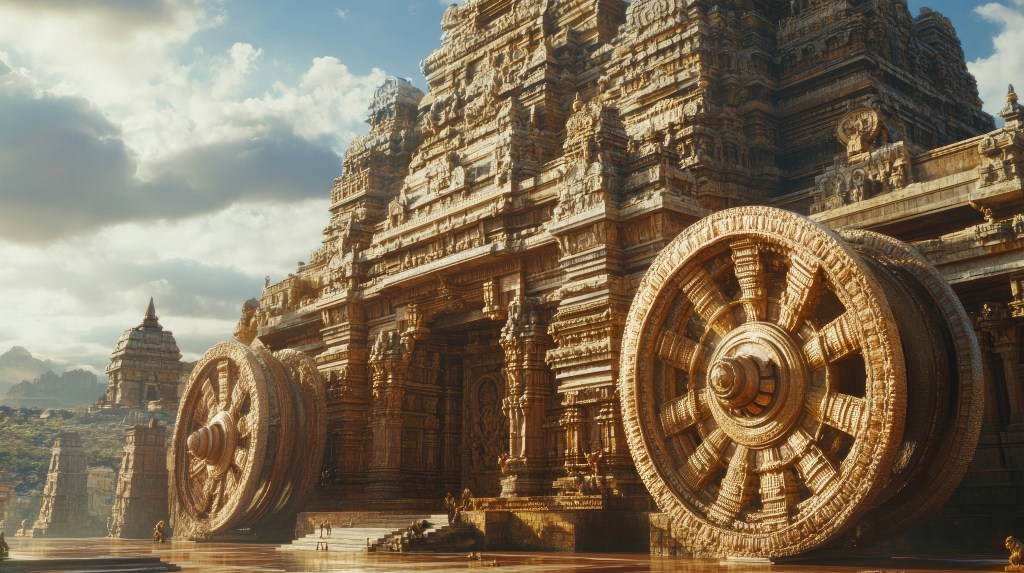
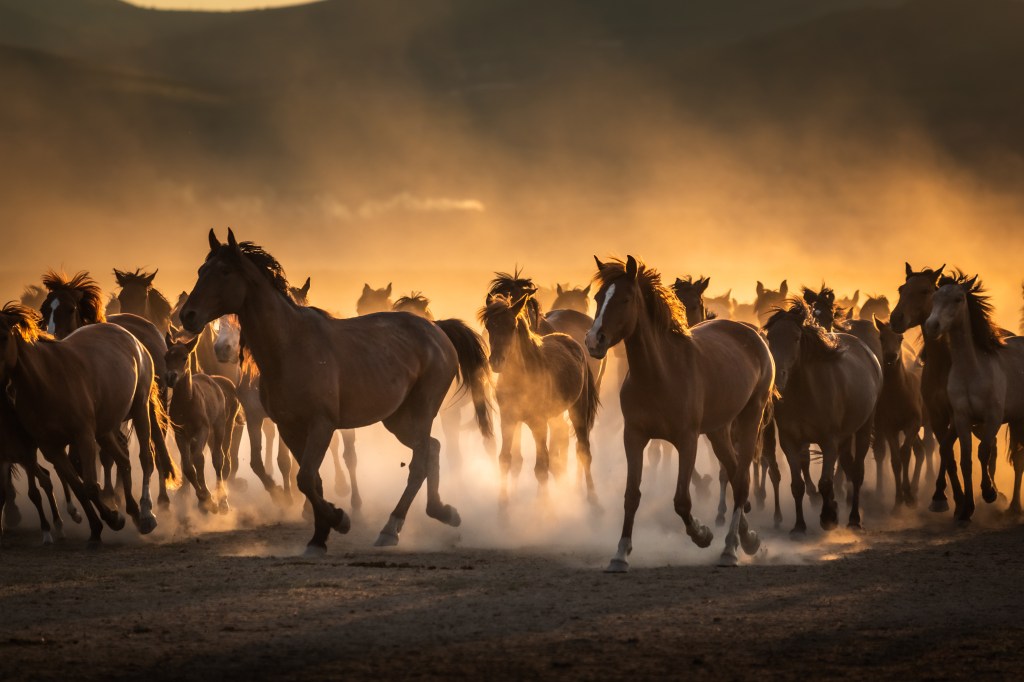
Imagine an organization as a grand chariot, built to move forward toward its vision. In the beginning, it is pulled by strong, capable horses—driven leaders with intelligence, energy, and vision. The owner (or founder) directs the chariot. They ensure that the right team is in place. This keeps it moving at speed.
But as time passes, the chariot grows heavier with accumulated wealth, responsibilities, and bureaucracy. More pullers are needed. At first, the organization seeks out the best horses in the market—tested for their endurance, intelligence, and leadership skills. But as the need for manpower increases, compromises are made. Instead of hiring only horses, mules and even donkeys enter the ranks. Over time, the leadership structure changes, and suddenly, the once-powerful chariot is moving in conflicting directions—or worse, slowing to a halt.
This is not just a metaphor—it’s a pattern seen in many real-world organizations. Companies like Nokia, Kodak, and Yahoo! fell into this trap, while Apple, Tesla, and Netflix managed to break the cycle.
How does this happen? And more importantly, how do we fix it?
Understanding the Metaphor: The Roles in Organizational Leadership
1. The Chariot – The Organization
The chariot represents the company itself—its mission, vision, and accumulated responsibilities. As the organization grows, it becomes heavier, requiring more strength to move forward efficiently.
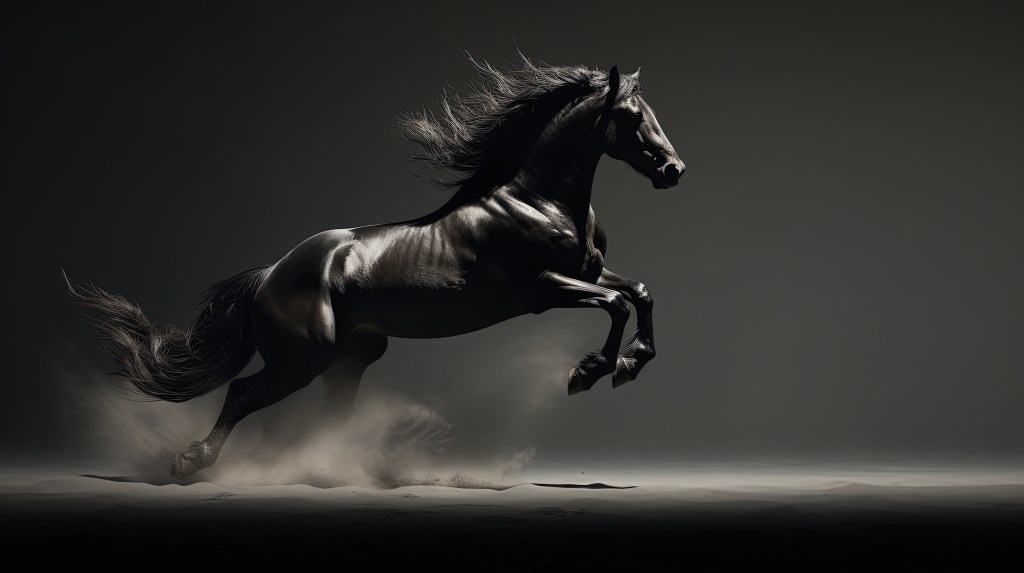
2. The Horses – The True Leaders
Horses symbolize strong, visionary leaders who have the intelligence, energy, and strategic thinking to move the organization forward. They take initiative, adapt to change, and inspire those around them.
Example: Apple’s Revival Under Steve Jobs
In the 1990s, Apple had lost its way. When Steve Jobs returned in 1997, he re-established the horse mentality—removing unnecessary product lines, hiring top talent, and focusing on innovation. Under his leadership, Apple transformed from near bankruptcy to the world’s most valuable company.
3. The Mules – The Hardworking but Limited Middle Managers
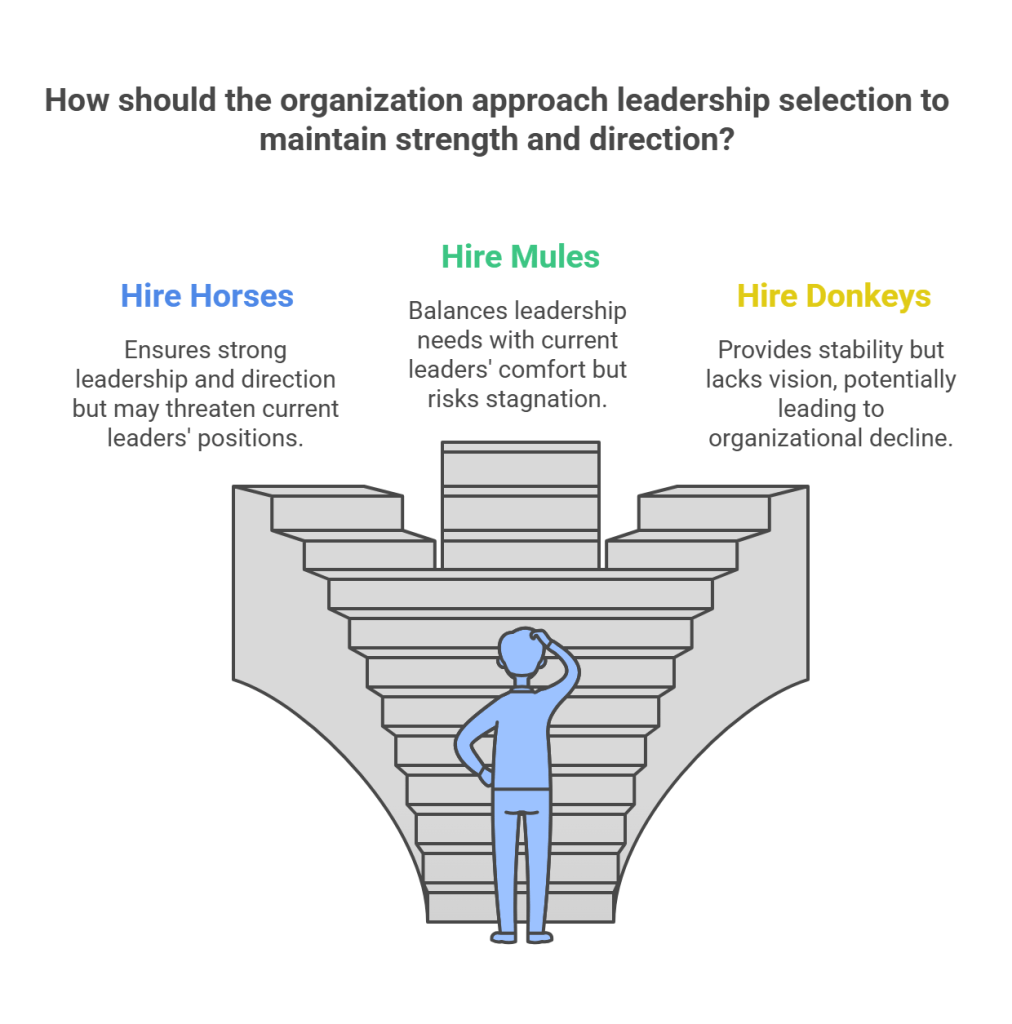
Mules are capable workers who execute tasks well but lack vision and leadership instincts. They are necessary for operational stability, but when placed in leadership roles, they often feel insecure and avoid hiring individuals stronger than themselves.
Example: Nokia’s Downfall
Nokia dominated the mobile phone market but fell behind when the smartphone revolution began. Instead of hiring horses who could see the future of technology, the company relied on mules—managers who were good at execution but lacked vision. This fear of disruption led to a failure to innovate, and Nokia lost its market leadership.
4. The Donkeys – The Passive Executors
Donkeys represent those who follow orders without questioning them. They do as they are told but lack innovation and adaptability. When donkeys enter leadership, they prefer hiring individuals even weaker than themselves, ensuring no one challenges them.
Example: Kodak’s Failure to Adapt
Kodak invented the digital camera but failed to capitalize on it. Leadership ignored changing market trends and stuck to outdated business models. Instead of embracing disruption, donkey leadership resisted change, ultimately leading to the company’s bankruptcy.
5. Other Animals (Zebras, Camels, Yaks, etc.) – The Misaligned Hires
Over time, as hiring becomes inconsistent, various personalities and skillsets enter the system—some useful, some completely misaligned. These additions pull the organization in different directions, causing inefficiency and chaos.
Example: Yahoo’s Identity Crisis
Yahoo constantly changed leadership, vision, and business focus. It hired executives with different priorities, leading to misaligned strategies. At one point, it could have acquired Google and Facebook but failed to see their potential. Instead, it became a collection of unrelated businesses, ultimately losing relevance.
The Problem: How Leadership Dilution Happens
Initially, organizations hire based on capability and vision. But as leadership transitions occur, compromises begin:
- Mules get promoted – They have worked hard, but they are not natural leaders. Out of fear or insecurity, they avoid hiring strong candidates who might overshadow them.
- Mules hire donkeys – Since horses seem like a threat, they bring in individuals who are obedient and won’t challenge authority.
- Donkeys take over leadership – Over time, decision-making power shifts to individuals who focus on compliance rather than vision. The organization slows down.
- The chariot moves in all directions – With a mix of misaligned hires, unclear leadership, and a diluted vision, the company struggles to maintain focus and momentum.
Occasionally, a horse finds its way back into leadership—perhaps when donkeys fail, and the organization seeks someone to rescue them. But if the system doesn’t change, the cycle repeats itself.
The Consequences: When Donkeys Take Over
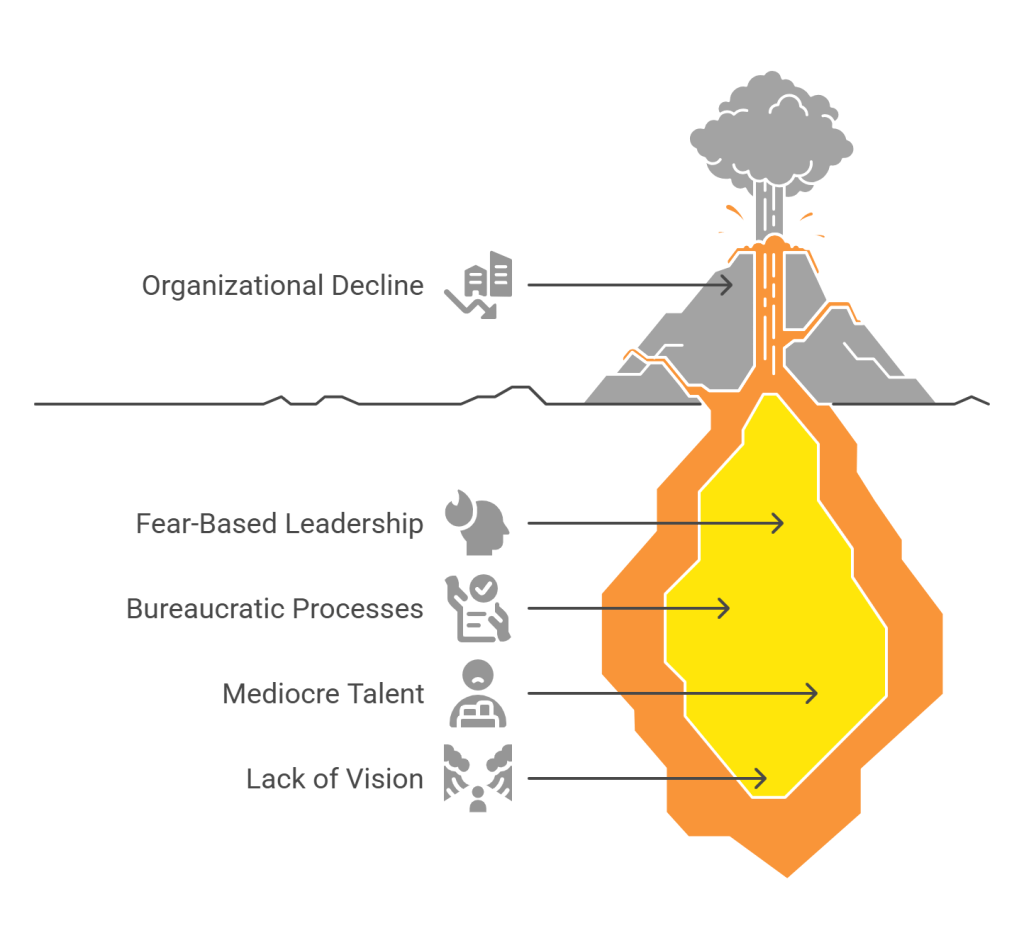
- Lack of Innovation – Without strong leaders, the organization loses its ability to adapt and stay ahead.
- Slow Decision-Making – Fear-based leadership leads to excessive bureaucracy and inaction.
- Decline in Talent Quality – Strong candidates avoid joining or staying in companies where mediocrity is rewarded.
- Loss of Direction – The organization moves in multiple directions, leading to confusion and inefficiency.
So, how do we break the cycle and restore strong leadership?
How to Fix It: Breaking the Cycle of Weak Leadership
1. Preserve the Horse Mentality at the Top
- Ensure that leadership transitions prioritize competence and vision over tenure or familiarity.
- Encourage leaders to hire individuals stronger than themselves, not weaker.
- Reward those who challenge the status quo and push the organization forward.
Example: Tesla’s Relentless Pursuit of Innovation
Elon Musk ensures that Tesla hires the best minds, regardless of hierarchy. The company thrives on innovation and meritocracy, preventing leadership dilution.
2. Redefine Hiring & Promotion Criteria
- Clearly define what makes a horse, mule, or donkey and ensure hiring aligns with these characteristics.
- Implement objective leadership assessments to prevent weak hires from taking over roles.
- Focus on merit, vision, and problem-solving skills, not just loyalty or compliance.
3. Identify & Empower the Hidden Horses
- Some horses are trapped in middle management, waiting for an opportunity.
- Provide mentorship, leadership training, and exposure to high-potential employees.
- Create opportunities for strong performers to rise, rather than allowing hierarchy to block talent.
4. Remove the Fear-Based Leadership Culture
- Stop rewarding mediocrity—leaders should be promoted based on their ability to lead, not just their willingness to follow orders.
- Encourage a culture of constructive challenge, where questioning leadership is seen as valuable rather than threatening.
5. Create a Leadership Renewal System
- Regularly assess whether the chariot is moving in the right direction and who is actually pulling it.
- Establish succession planning that prioritizes continuity of strong leadership, ensuring horses remain at the front.
Conclusion: Restoring Strength to the Chariot
Organizations fail not because of a lack of resources or opportunities, but because of weak leadership decisions that allow mediocrity to take over.
To restore strength, leadership must stop prioritizing self-preservation over progress. They need to identify and empower real leaders. Additionally, they must prevent the cycle of weak hiring from continuing.
By breaking the cycle, companies can rebuild momentum, attract top talent, and achieve long-term success.
🏇 It’s time to put the horses back in charge. 🏇


Leave a comment